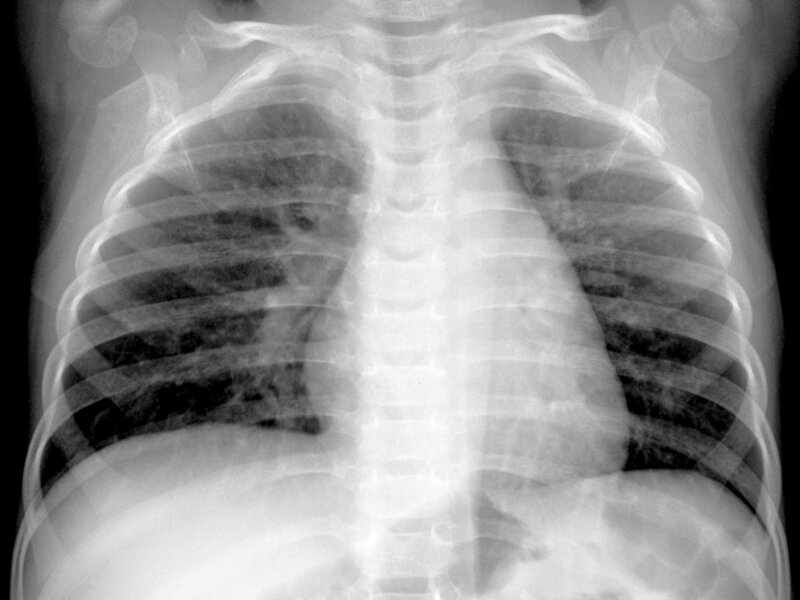
Respiratory infections are among the most common illnesses affecting both children and adults, and while many are mild, some can escalate into serious conditions. One virus that has gained increasing attention in recent years is human metapneumovirus (HMPV). Although it may sound unfamiliar compared to well-known viruses like influenza or RSV, HMPV is a significant cause of respiratory infections worldwide. A pressing question many families and healthcare professionals ask is: Can HMPV lead to pneumonia?
Understanding the answer requires a closer look at how HMPV works, its symptoms, who is most at risk, and what steps can be taken to reduce the likelihood of severe complications such as pneumonia.
What is HMPV?
Human metapneumovirus, often shortened to HMPV, is a respiratory virus first identified in 2001. Despite being relatively “new” in scientific terms, it has likely circulated for decades before being recognized. HMPV belongs to the same virus family as respiratory syncytial virus (RSV), which is notorious for causing severe lung infections in young children.
HMPV spreads primarily through respiratory droplets, similar to flu or COVID-19, and can infect people of all ages. While many infections are mild and resemble a common cold, others may progress to more serious illnesses, including pneumonia.
Can HMPV cause pneumonia?
Yes, HMPV can lead to pneumonia, especially in vulnerable groups. Pneumonia occurs when the infection spreads deeper into the lungs, causing inflammation in the air sacs (alveoli). These air sacs can fill with fluid or pus, making it difficult to breathe and reducing oxygen levels in the body.
While most healthy adults recover from HMPV with only mild to moderate symptoms, pneumonia is more likely in:
- Infants and young children, whose immune systems are still developing
- Older adults, particularly those over 65
- People with weakened immune systems (such as those undergoing chemotherapy or living with chronic illnesses)
- Individuals with underlying respiratory conditions, like asthma or chronic obstructive pulmonary disease (COPD)
Research shows that HMPV is one of the leading viral causes of lower respiratory tract infections, including pneumonia and bronchiolitis, second only to RSV in young children.
HMPV symptoms to watch for
Like many respiratory viruses, HMPV symptoms vary in severity. The most common include:
- Runny nose
- Nasal congestion
- Cough (can be dry or productive)
- Fever
- Sore throat
- Fatigue
- Shortness of breath or wheezing
When pneumonia develops, symptoms may escalate to:
- Persistent high fever
- Rapid or difficult breathing
- Chest pain
- Severe cough with phlegm
- Bluish tint to lips or fingernails (indicating low oxygen levels)
Recognizing these warning signs early can be life-saving, especially for children and older adults.
Comparing HMPV with other respiratory infections
To understand the risks better, it helps to compare HMPV with other common respiratory illnesses:
- HMPV vs. Flu: Both cause fever, cough, and fatigue. However, influenza tends to produce more abrupt and severe symptoms, while HMPV often starts milder and worsens over time. Both can lead to pneumonia.
- HMPV vs. RSV: RSV is very similar in behavior to HMPV and is also a leading cause of bronchiolitis and pneumonia in infants. The two viruses are so closely related that they are often studied together.
- HMPV vs. COVID-19: COVID-19 can cause a wide range of symptoms, from mild cold-like illness to severe pneumonia. While HMPV is less likely to cause long-term complications compared to COVID-19, both can result in hospitalization.
- HMPV vs. Common Cold: Colds are usually milder, limited to upper respiratory symptoms like a runny nose and sore throat. HMPV, however, has a higher chance of progressing to lower respiratory infections.
How is HMPV diagnosed?
Since HMPV symptoms resemble other respiratory infections, diagnosis often requires laboratory testing. Doctors may use:
- PCR tests, which detect viral genetic material
- Rapid antigen tests, though less common for HMPV than for flu or RSV
- Chest X-rays, if pneumonia is suspected, to check for lung inflammation
In many cases, patients are diagnosed clinically based on symptoms, especially during seasonal outbreaks.
Treatment options for HMPV and pneumonia
Currently, there is no specific antiviral treatment for HMPV. Management focuses on supportive care, which includes:
- Rest and hydration
- Fever reducers (like acetaminophen or ibuprofen)
- Oxygen therapy, in severe cases
- Hospital care, including ventilation, if pneumonia leads to respiratory distress
Antibiotics are not effective against viruses like HMPV, but they may be prescribed if a secondary bacterial infection complicates pneumonia.
Prevention strategies for HMPV
Although there is no vaccine for HMPV yet, prevention strategies are similar to those used against other respiratory viruses:
- Frequent handwashing with soap and water
- Avoiding close contact with sick individuals
- Cleaning and disinfecting surfaces, especially in schools and daycare centers
- Wearing masks in high-risk environments or during outbreaks
- Strengthening the immune system through healthy lifestyle choices such as balanced nutrition, regular exercise, and adequate sleep
For parents, ensuring that children practice good hygiene and recognizing early warning signs of breathing difficulties are essential steps in reducing risks.
Why HMPV is less known than flu or RSV
Despite being widespread, HMPV is not as well recognized by the public as influenza or RSV. This is partly because:
- It was discovered only in 2001, much later than the flu or RSV.
- Testing for HMPV is less common in hospitals and clinics.
- Symptoms often overlap with other viral infections, making it difficult to distinguish without specialized testing.
Nevertheless, scientific studies consistently show that HMPV is a major contributor to hospitalizations for respiratory infections in children and the elderly.
Key takeaways for families
HMPV may not have the same name recognition as flu or RSV, but it is a serious respiratory virus that can lead to pneumonia, particularly in vulnerable groups. Most cases remain mild, but parents, caregivers, and older adults should pay close attention to symptoms like worsening cough, difficulty breathing, or persistent fever.
By practicing prevention strategies, seeking medical advice early, and understanding how HMPV compares to other respiratory infections, families can better protect themselves against complications. While the absence of a vaccine means prevention and awareness are crucial, supportive care and timely medical intervention can greatly reduce the risks of pneumonia from HMPV.